







People, places or buildings without mains water or power
 
Subscribe to RSS feed


HomeShopDiscussArchive by month (by subject at end of page)RelaxClassifiedsLogin

My best friend’s a vegetable

Section: — by Siyah @ 18 May 2008
 Print this post
Submit this story to: Digg  Google Bookmark  StumbleUpon  Del.icio.us  Technorati  Hugg  Reddit
pintocuces.jpg
Permaculture tastes good

Whatever you are planting - make sure its near a little plant friend that will make him feel at home.

Companion planting is based on the idea that certain plants can benefit others when planted in near proximity. Companion planting is an organic way to deter pests, where limited or no pesticides or herbicides are used.

1. Basil — Best friends: pepper, tomato, and marigold. Tip: Plant seeds in rows two feet apart, spacing them half an inch apart in the row. Most varieties grow to about two feet. Pinch stems frequently, to encourage basil to grow bushy and full.

2. Beans — Best friends: celery and cucumbers. Enemies: onions and fennel. Tip: Beans grow best when the garden soil is well fertilized. For an area that is 10 feet long and 10 feet wide, use two to three pounds of fertilizer such as 10-20-10. Spread the fertilizer evenly over the area. Then mix it in with the top three to four inches of soil.

3. Beets — Best friends: bush beans, lettuce, onions, kohlrabi, and most members of the cabbage family. Enemies: pole beans, mustard.

4. Carrots — Best friends: leaf lettuce, radish, onions and tomatoes and parsley. Basil improves growth and flavour. Enemies: dill, cabbage and cauliflower. Tip: Carrot seed takes up to 10 days to germinate so you can throw in a bit of radish seed as a row marker until germination. Put in one seed every eight inches. Quick-germinating radishes provide a convenient row marker and reminder, as well as a tasty snack later on.

5. Corn — Best friends: bush beans, pole beans, cucumber, melons, peas, squash, pumpkins, and potatoes. Enemies: tomato. Tip: Plant your seeds one inch deep, in well-composted soil, and spread the seeds thicker than suggested, perhaps two or three inches apart. Then thin them, if necessary, when they are a few inches high, to one foot apart.

6. Cucumbers — Best friends: bush beans, pole beans, cabbage family, corn, dill, eggplant, lettuce, marigold, nasturtium, onions, peas, radish, tomato, savoury, sunflower. Enemies: strong herbs, potato. Tip: Cucumbers grow in a vinelike fashion so feel free to plant them near a trellis for a beautiful background.

7. Garlic — helps keep aphids away from roses. Plant near roses to repel aphids. Accumulates sulphur, a naturally occurring fungicide that will help in the garden with disease prevention. Garlic offends moths, Japanese beetles, root maggots, snails, and carrot root fly. Researchers have observed that time-released garlic capsules planted at the bases of fruit trees actually kept deer away — worth a try! Concentrated garlic sprays have been observed to repel and kill whiteflies, aphids, mosquitoes and fungus gnats among others with as little as a six- to eight-per-cent concentration! It is safe for use on orchids too.

8. Lettuce — Best friends: bush beans, pole beans, carrots, cucumbers, onion, radish, and strawberries. Tip: Lettuce is best when it is grown quickly and pampered a bit with good soil and adequate moisture so it doesn’t bolt (send up a flowering stalk) or become bitter and tough.

9. Onions — Best friends: lettuce, beetroot, strawberries, and tomatoes. Enemies: peas and beans. Tip: When planting onions, make sure to have your soil prepared first. Clear out debris and rocks. It also means mixing in a fertilizer rich with phosphorus.

10. Peas — Best friend: beans. Enemies: onions, chives and garlic. Tip: Select a location in full sun and provide support in the form of a trellis or unused tomato cage. Do not grow peas in the same spot more than once every five years.

11. Potatoes — Best friends: beans, corn, cabbage, peas, and eggplant. Enemies: cucumber, pumpkin, squash, sunflower. Tip: Lamium will repel potato bugs, a big problem for many gardeners!

12. Radish — Best friends: bush beans, pole beans, carrots, cucumber, lettuce, melons, peas, squash. Enemy: hyssop. Tip: Radish grows best in the spring and autumn and will tolerate light winter frosts. It requires full to partial sun, ample water and rich, fast draining soil.

13. Spinach — Best friends: celery, eggplant, cauliflower. Tip: To speed germination soak seeds for 15-20 minutes in compost tea.

14. Strawberry — Best friends: bush beans, lettuce, onion, and spinach. Enemy: cabbage. Tip: Once you’ve got berries growing in and filling out, pick them about every other day. Save bruised berries for jams and jellies. Just separate them when harvesting. Pick out all the ripe berries, not just the large ones that look tempting. You’ll want more berries later and picking more now will mean more in the future.

15. Tomato — Best friends: asparagus, basil, bean, cabbage family, carrots, celery, chive, cucumber, garlic, head lettuce, marigold, mint, nasturtium, onion, parsley, pepper. Enemies: pole beans, corn, dill, fennel, potato. Tip: Bury tomato plants deeper than they come in the pot, all the way up to a few top leaves. Pinch off the bottom leaves of your seedling. Tomato plants develop roots along the stem and should be set deeply with the first set of leaves near the soil surface.

 Print this post
Submit this story to: Digg  Google Bookmark  StumbleUpon  Del.icio.us  Technorati  Hugg  Reddit

Possible related posts:

    You do NOT need to be registered to post a comment!

    No Comments »

    No comments yet.

    RSS feed for comments on this post. TrackBack URI

    Leave a comment

    (required)

    (required)


    • OFF-GRID TV

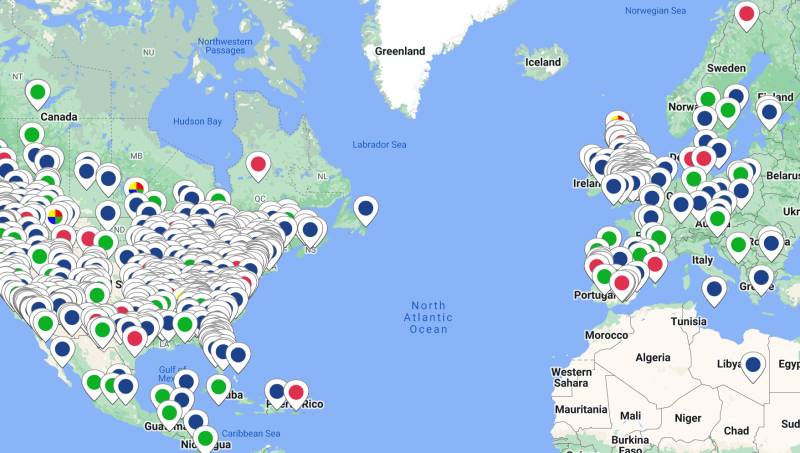
      • We are preparing a TV series for possible broadcast next year. We are looking for people who currently live off-grid anywhere in the world, and for people who want to live off-grid but do not yet do so. This might be in a community or an individual situation.
      • Please Contact
      • tv at off-grid.net
      • + 44 7971 543703