
From the monthly archives:

March 2008

There are a number of options for your waste water, the water that has been used in your kitchen, bathroom, and laundry. Some options would mean keeping this waste separate and dispose of in different ways, but the one stop solution and most common is a septic system. As this option is the common for those who cannot get city water or in older homes this is an option that is not unknown to the common person. Though if you are considering this you need to make sure that it is an option in some suburban and urban (not practical in most cases) areas. In our area it is hard if not impossible to get approved for a new septic system as our county wants everyone connected to our city water. Since it has one of the best treatment plants in the country it’s not as big an issues for us right now. They have made this push to get and keep our waterways cleaner.

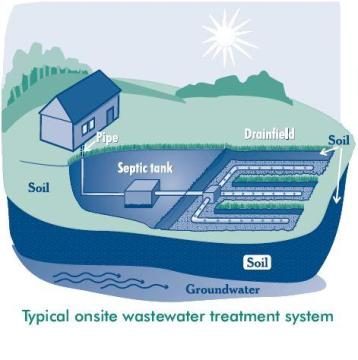
There are four main components to a typical septic system:

  1. A pipe to carry the waste from the home
  2. The actual septic tank to start the digestion process
  3. The drainfield to spread out the waste water
  4. The soil with microbes to do the final filtering and cleaning of the water
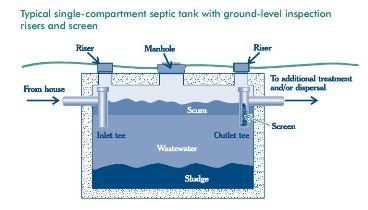
The pipe carrys all the used (grey and black) water out of your home and into the working parts of the septic system.

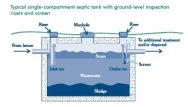
A buried watertight container is the typical septic tank. These tanks can be made of concrete, fiberglass or polyethylene. The purpose of the tank is to hold the waste water long enough to allow solids to settle out (sludge) and oil and grease to float to the surface (scum). This allows for partial decomposition of the solid materials. To prevent the sludge and scum from leaving the tank and entering the drainfield, it is compartmentalized and has a T-shape outlet. Additional screens are recommended to make sure the solids do not make it into the drain field. On newer tanks risers with lids for easy location, inspection, and pumping of the tank.

When the wastewater has been process by the tank it exits the septic tank into a drainfield to complete it’s treatment by the soil. This wastewater is continually pushed into the drainfield every time new wastewater is introduced into the tank. Since drainfields can overload with too much liquid , flooding, and can cause sewage to come to the ground surface or create backups in your plumbing and prevent complete treatment of all watsewater. To prevent this having a reserve drainfield, as required by many states, also on your property is a good idea. This area should be cared for as well as you care for your primary drainfield.

The last part of your septic system is your soil. Soil is essential to removing contaminants from your wateswater before it is returned to your ground water. It contains microbes that are able to remove harmful bacteria, viruses, and nutrients from the wastewater. This is accomplished by the wasterwater percolating throughout the drainfield. Only suitable soil is able to do this so check with your installer or your local health department to see if you need an alternative to the final part of wastewater treatment. Another reason to look for alternative systems if to many typical systems are in one area or if your system will be to close to ground or surface water. New technology to improve the treatment process along with special care and maintenance could be used in alternative systems. Some systems use sand, peat, or plastic media to promote the treatment of the wastewater. Others can use wetlands, lagoons, aerators, or disinfection devices. Float switches, pumps, and other types of mechanical/electrical components are used often in these alternative systems.

Septic systems need to be inspected about every 3 years and pump out every 3 to 5 years. An alternative system may have additional needs or inspected/pumped more frequently. It is important and cheaper to maintain a septic system then to have to replace all or part of it due to mismanagement. Also failing and/or leaking septic systems can taint not only your but area ground water, be leached into streams, and have far reaching effects on your local environment.

pictures are curtosey of the EPA

»Keep reading 'The One Stop Septic System'

Urban Sustainability Training

March 30, 2008
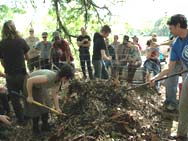
Urban Sustainability TrainingPitch(fork)ing in to compost Oyster mushrooms grow in coffee grounds, a fig tree thrives on soapy gray water from a washing machine, and electricity is generated by a wind turbine made of old bicycle parts. As the transportation of oil and food grows pricier, sustainability might not mean living off the fat of the land as much as scrounging off the lean spots amid the pavement. Scott Kellogg runs a course on Radical Urban Sustainability Training, or RUST. This is down to earth environmentalism.

»Keep reading 'Urban Sustainability Training'

Water and how to save it

March 29, 2008
Water and how to save it...and enjoy it Living off-grid you really appreciate the value of water. Here are some suggestions, and anyone reading this is free to suggest other tips in the comments below or the forum. Drip irrigation A happy accident and a leaky spigot led to the discovery of drip irrigation. In an orchard, a leaky spigot was drip, drip, dripping water at the base of a tree. Over time, the tree getting the steady drip of water was doing better than the surrounding trees.

»Keep reading 'Water and how to save it'

Telecommuting spreads

March 29, 2008
Telecommuting spreadsStay local In the U.S. today, just over 15 percent of us regularly work from home at least one day a week, according to latest figures from the US Census. About 5 per cent work mainly from home. Telecommuters even have their own publication - Telecommuting Times For those who do commute on average, it takes about 25 minutes to reach their workplace. More than three-quarters of Americans drive to their jobs alone. Nearly 11 percent ride in car pools and less than 5 percent take public transportation, including taxicabs. About 2.5 percent are lucky enough they can walk to work. Telecommuting has been accused of all sorts of ills - including making the home a more stressful place, reducing communication in the workplace and reducing productivity, but a recent study in the Journal of Applied Psychology, firmly debunks these claims.

»Keep reading 'Telecommuting spreads'

Make a Difference in NOLA

March 28, 2008
Make a Difference in NOLA

We are happy to announce that Make It Right9 in NOLA (New Orleans, LA) has given us our own home to promote. Once you follow the link go down the list till you see our home, we we're second to last at the time of this post. We also welcome anyone who wishes to use the banner above to let other's know about this wonderful opportunity. The home is sponsored in the name all those who are dedicated to having a healthier and/or self-sufficient home of their own. Let all of us who truly believe in this way of life make a ...

»Keep reading 'Make a Difference in NOLA'

Take your spare room off-grid

March 27, 2008
Take your spare room off-grid

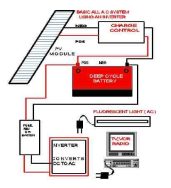
Small PV SystemSo, you want to go off-grid? Or maybe you want to find out what it's like before taking the plunge? How about taking one room of your house off grid? It's a less expensive way of learning the technology, before committing yourself. We suggest starting with a bedroom. Look around your bedroom and see what devices you have that run on electric. As I look around my room, I see one table lamp, two floor lamps, wall lamp, digital TV, Stereo, satellite box, portable dvd player, vcr, and XBox. I also have a battery powered clock, powered by rechargeables, so I’ll add the battery charger to our list. There is also a curling iron, hair dryer, and ceiling fan with lights, but we will leave those items off our list for now.

»Keep reading 'Take your spare room off-grid'

Nick Rosen featured in Independent

March 27, 2008
Nick Rosen featured in IndependentGoing up: Nick is part of global trend The Independent Newspaper carried a double page spread today, featuring Off-Grid Editor Nick Rosen and his book How to Live Off-grid The article, reproduced below, ran under the headline "Off-grid: Meet the pioneers living without mains power or water": You won't find the phrase in the Oxford English Dictionary, yet, but living off-grid, outside or in between, the criss-crossing lines of power, water, gas and phone that delineate the civilised world, is a skill that everyone may soon need.

»Keep reading 'Nick Rosen featured in Independent'

Updates on Previous Posts

March 27, 2008
Updates on Previous PostsThought it was time to update some of our previous posts. Since we started this journey back in October we have run across some amazing movements, events, products, and people and we wanted to check in on them and see how things have gone. Make It Right 9 of New Orleans has raised funds to build 81 of their proposed 150 homes. We are still waiting on word whether we can sponsor our own home. So check back or if you can't wait please visit them and donate to a worthy cause. You can also visit them to find out more about the amazing people and organizations that are involved in this opportunity to not only ...

»Keep reading 'Updates on Previous Posts'

Neighbors…

March 25, 2008
Neighbors…Just a few of our "neighbors" coming out for a visit. These are mule deer, they have large ears like a mule. These are very friendly, sometimes too much so, they will come pretty close to see if you have anything to feed to them. I throw a few crackers to them on occasion, I don't want them to be hanging around too much though, they are wild animals and will get aggressive, especially when it comes to food. This is right outside my door, I was cooking dinner outside that day, I turned around and there they were.We also have white tailed deer, but they are much more skittish around people, they literally turn tail (up) ...

»Keep reading 'Neighbors…'