





People, places or buildings without mains water or power
 
Subscribe to RSS feed


HomeShopDiscussArchive by month (by subject at end of page)RelaxClassifiedsLogin

Seven ways to drop off the grid

Section: — by veg-head @ 06 Feb 2008
 Print this post
Submit this story to: Digg  Google Bookmark  StumbleUpon  Del.icio.us  Technorati  Hugg  Reddit
Jason Bourne
We’re watching them watching us

Whether you’re a Civil libertarian or just want to be private, there’s little need to worry about the intrusive State with its Big Brother databases. The civil servants running the new systems are so incompetent (e.g. the Ministry of Defence stolen laptop) that the biggest fear is them losing your data. The UK government is burning �500m a year to build a national ID database that will duplicate the passport system and only cover those of us law abiding enough to register under our real names. Corporate databases will create their own parallel versions, or license government data for their own security checks.

But you can take a few steps to protect your privacy. Follow these simple tips, and Big Brother will be no bother:

1 How to get an anonymous cellphone

Go to a town you have never visited before, to an area with no CCTV cameras and pay a homeless person to buy a pay-as-you-go mobile phone for you. That way no shop will have your image on its CCTV. You will also have an anonymous mobile.

In order to keep your anonymity, top it up in a shop with no CCTV outside. Or dispense with the phone altogether and return to the humble payphone, now the preserve of tourists and the super-poor.

Even if you stick to your traceable phone, leave it switched off whenever possible to avoid having your movements tracked. Many phones are still traceable, so you need to take the battery out to be certain. If you have a Bluetooth phone, keep the service switched off because this is now being tested for advertising and other marketing activities.

2 Hide your email

If you use one of the free, web-based services like Gmail, your communications are being stored to build up a picture of your interests. Instead, you can use a service called Hushmail to send encrypted emails. Or work out a private code with friends you want to communicate with.

You do not need an email address of your own. One hacker I spoke to sends emails from cybercafes via The Observer website, using the service which allows anyone to send any article to a friend. He embeds his message into the covering note which goes with the article.

Others with their own computer use the free XeroBank browser (in preference to Explorer or Firefox), which includes several privacy-enhancing add-ons and sends all data through a network ‘cloud’ which hides most of the data you normally give away as you use a computer, but at the cost of reduced speed (http://xerobank.com/xB_browser.html).

3 Protect your computer files

There is sophisticated software that deletes all traces of your activities from your computer. Assuming you don’t have access to this, it is still worth remembering the data about you contained inside each file. Many digital photos, for example, contain within them the serial number of the camera that took them. Word documents contain the name of the author as well as traces of previous drafts.

5 Stay off spam mailing lists

Each time you submit your email address to register for a new website, create a special address, either on a free webmail service or on your own email server so you have control over it. Then, if the company later sells your email address or loses it through poor security, you will know exactly who to blame. And you will be able to close the account or block all email to that particular address. Again, Hushmail is useful for this. You can set it up to create these aliases for you.

6 Stop supermarkets snooping on your shopping

Swap your supermarket loyalty card with a friend or acquaintance every few months, after having cashed in any points you have accumulated (treat Oyster and other local transport cards the same way). You lose no benefits and it prevents tracking of specific purchasing patterns (or journeys) tied to your name and address. Use cash more often - save your credit card for emergencies.

7 Mess up utility companies’ marketing plans

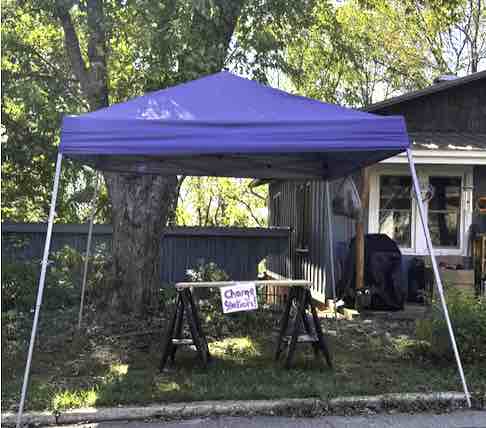
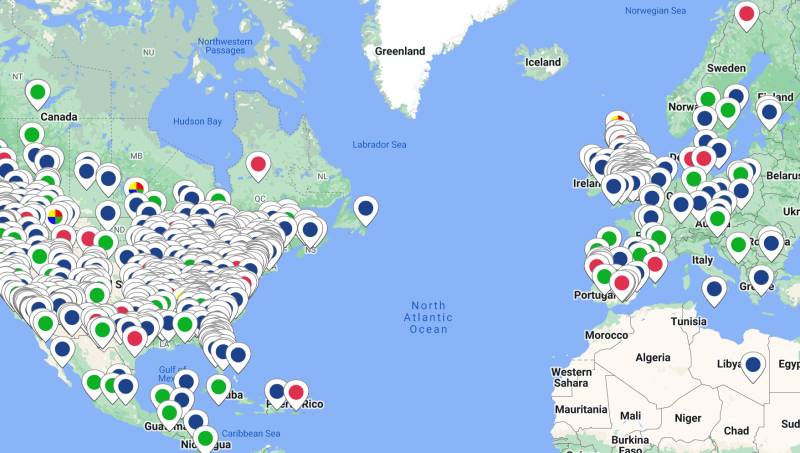
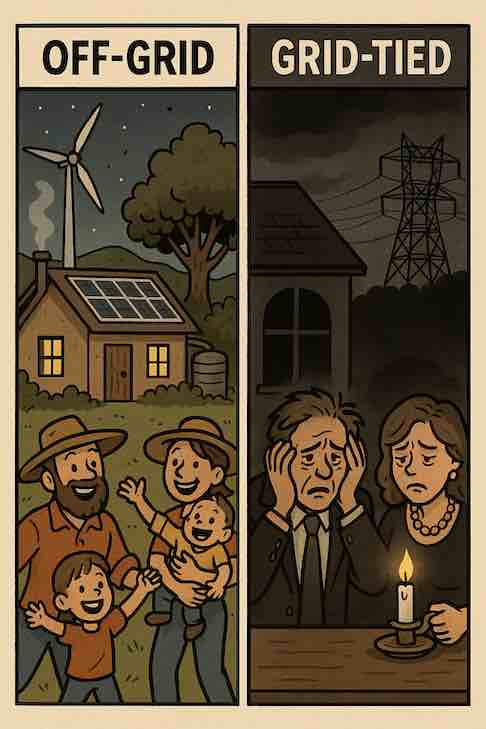
Live off-grid, unplugged from the system with solar panels and rainwater harvesting. There are thousands of people living without mains power, water or sewerage, all over the UK and the US, in isolated cottages, behind hedgerows in caravans or in groups of yurts in country fields. And this is not just a movement for tree huggers and climate campers. Many live on boats in towns and cities, and if you live in a flat or house, you can still unplug.

 Print this post
Submit this story to: Digg  Google Bookmark  StumbleUpon  Del.icio.us  Technorati  Hugg  Reddit

Possible related posts:

    3 Comments »

    1. Kenwilland:

      As complex societies come under stress there is every chance that the powers that be will seek to exert more control at great public expense rather than helping society become more flexible, which might entail a little less control, not of course part of the bureaucratic mindset.
      Enjoyed interview on BBC today

    2. The Grid and how to Plug in, Tune out, Drop off: the OTHER blog:

      [...] A totally useless guide of how to reclaim a bit of privacy Seven ways to drop off the grid,  totally lacking in any practical advice whatsoever. It says… There is sophisticated software that deletes all traces of your activities from your computer [...]

    3. dvd:

      It seems Howard Jacobson of “The Independent” has picked up this post in his column on Saturday on privacy, from the 5th paragraph on:
      http://www.independent.co.uk/opinion/commentators/howard-jacobson/howard-jacobson-you-wont-find-young-people-complaining-about-cctv-ndash-they-love-being-on-camera-780238.html

    RSS feed for comments on this post. TrackBack URI

    Leave a comment

    (required)

    (required)


    Comment moderation is enabled. Your comment may take some time to appear.